Strong Schools Key Focus Areas
and Programmes
SSCC works alongside school leadership and communities to strengthen schools holistically. Our key focus areas and programmes address the various dimensions of school life, from leadership, management and school well-being to educator support, learner development and parent involvement. Guided by each school’s unique needs, we facilitate interventions and partnerships that contribute to healthier school environments and more effective, resilient school communities.
Support and Well-being Hubs
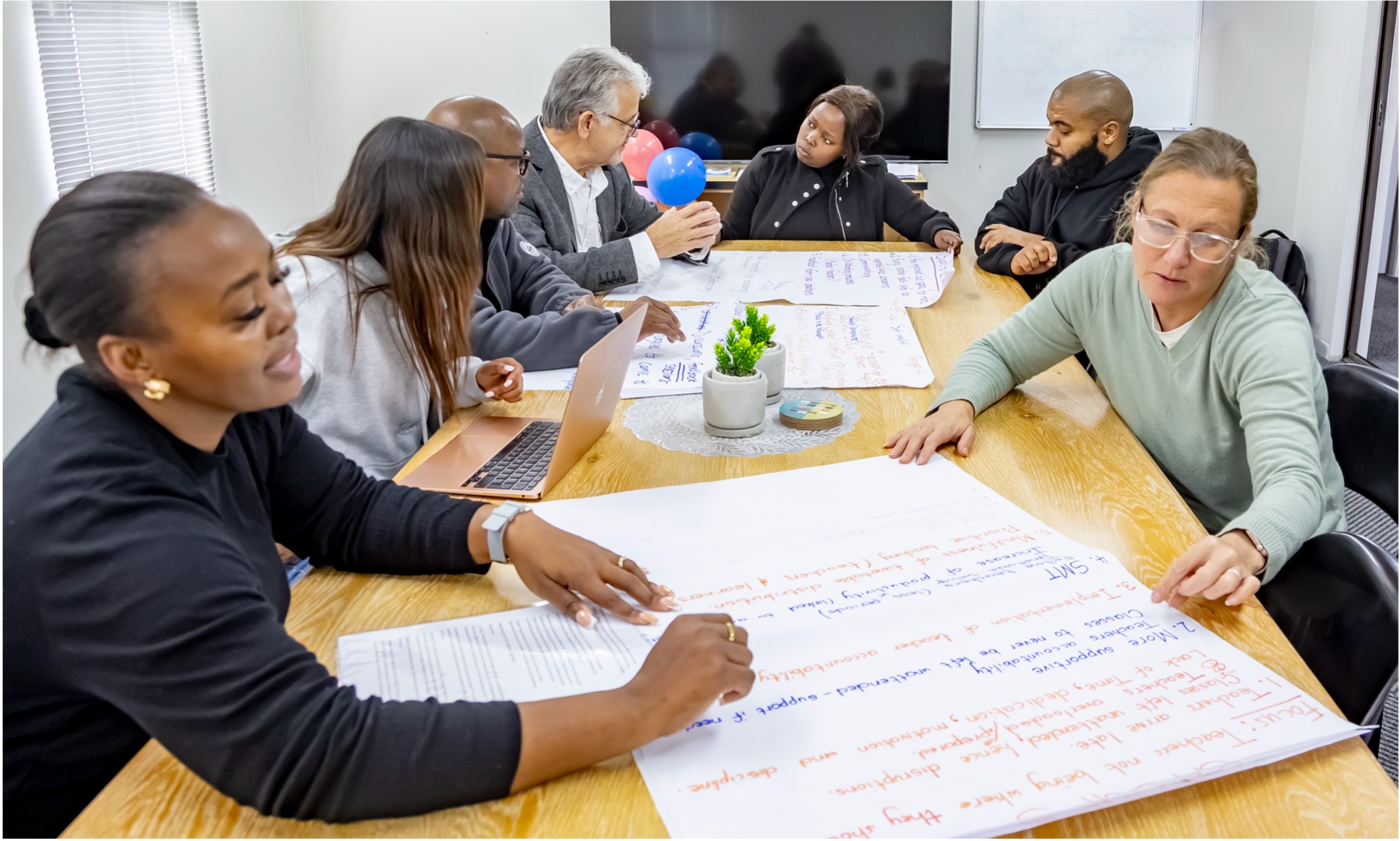
The Strong Schools Support Hubs are school-owned spaces that bring together school leadership, staff and key stakeholders to identify challenges, explore solutions and strengthen the overall well-being and effectiveness of a school. Guided by insights from our whole-school evaluation tool and supported by the community around the schools, each Support Hub provides a space for reflection, collaboration, problem-solving and practical action. By building on the strengths of each school and responding to its unique needs, the Support Hubs help create a more supportive school environment where educators can thrive and learners are better equipped to reach their full potential.
Compass Calibration
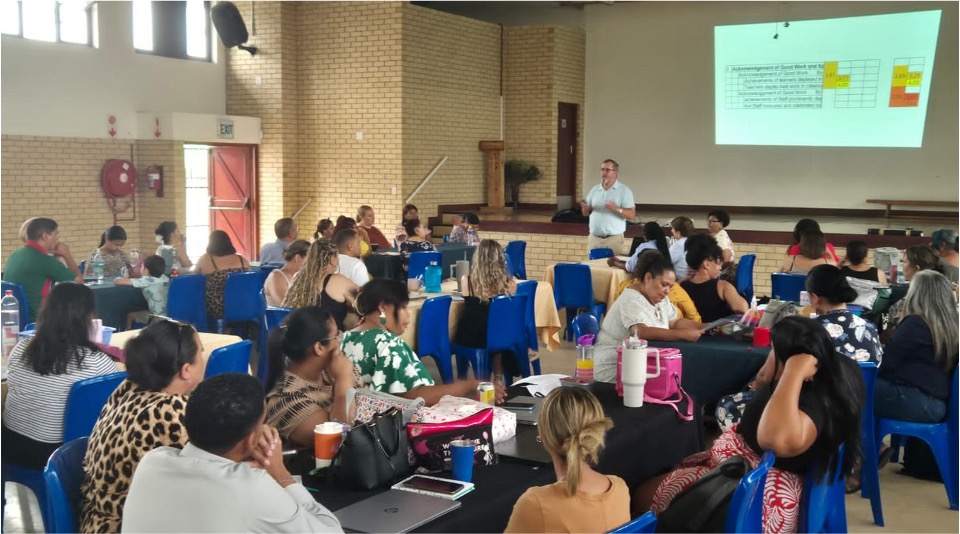
Compass Calibration provides an anonymous whole-school survey and automated report, combining quantitative and qualitative information. Because staff can respond anonymously, educators can raise issues and share perspectives that may not emerge through conventional leadership discussions. The report creates a shared evidence base rather than relying only on assumptions or the views of a few people.
It provides school leadership teams of underserved schools with a comprehensive, evidence-based understanding of their school’s current reality. Through anonymous staff feedback, the process generates actionable insights that support strategic planning, informed decision-making, and continuous school improvement.
Life Skills
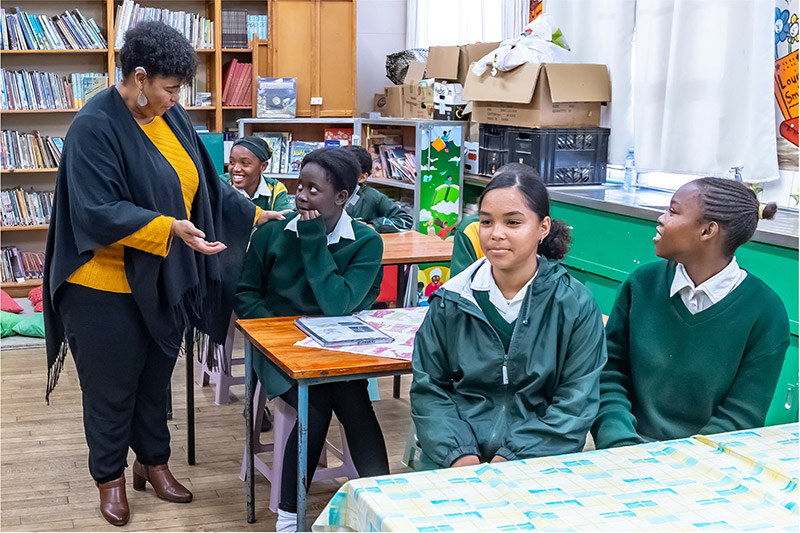
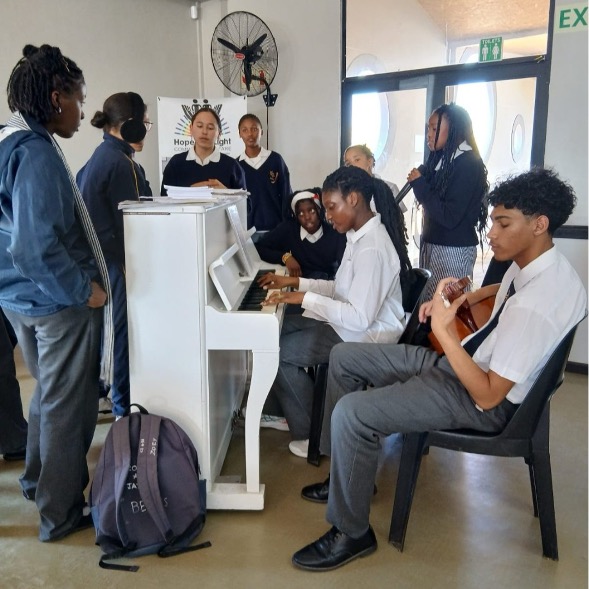
The Strong Schools Life Skills programmes equip learners with practical life skills and tools to navigate the challenges they face both in and beyond the classroom. Through interactive sessions, meaningful conversations and a safe space for self-expression, learners are encouraged to explore their identity, build self-belief, develop positive values, make responsible choices and cultivate healthy relationships. Topics include decision-making, emotional resilience, conflict resolution, bullying, personal responsibility, leadership and overcoming negative influences. We also recognise the importance of supporting educators, equipping them with skills and practical strategies to strengthen relationships, manage classroom challenges and create positive learning environments.
Real Deal Life Groups
The Real Deal Life Groups provide learners with a safe, supportive and engaging space to connect, grow and explore what it means to make positive life choices. Through after-school group sessions, learners are encouraged to develop healthy relationships, strengthen their identity in Christ and their purpose, build confidence and resilience, and navigate peer pressure and other challenges they encounter in their daily lives. Using interactive activities, open conversations and practical life lessons, the programmes help young people recognise their potential, make responsible decisions and develop the values and skills they need to shape a positive future.
Culture Shift Classroom Management Programme
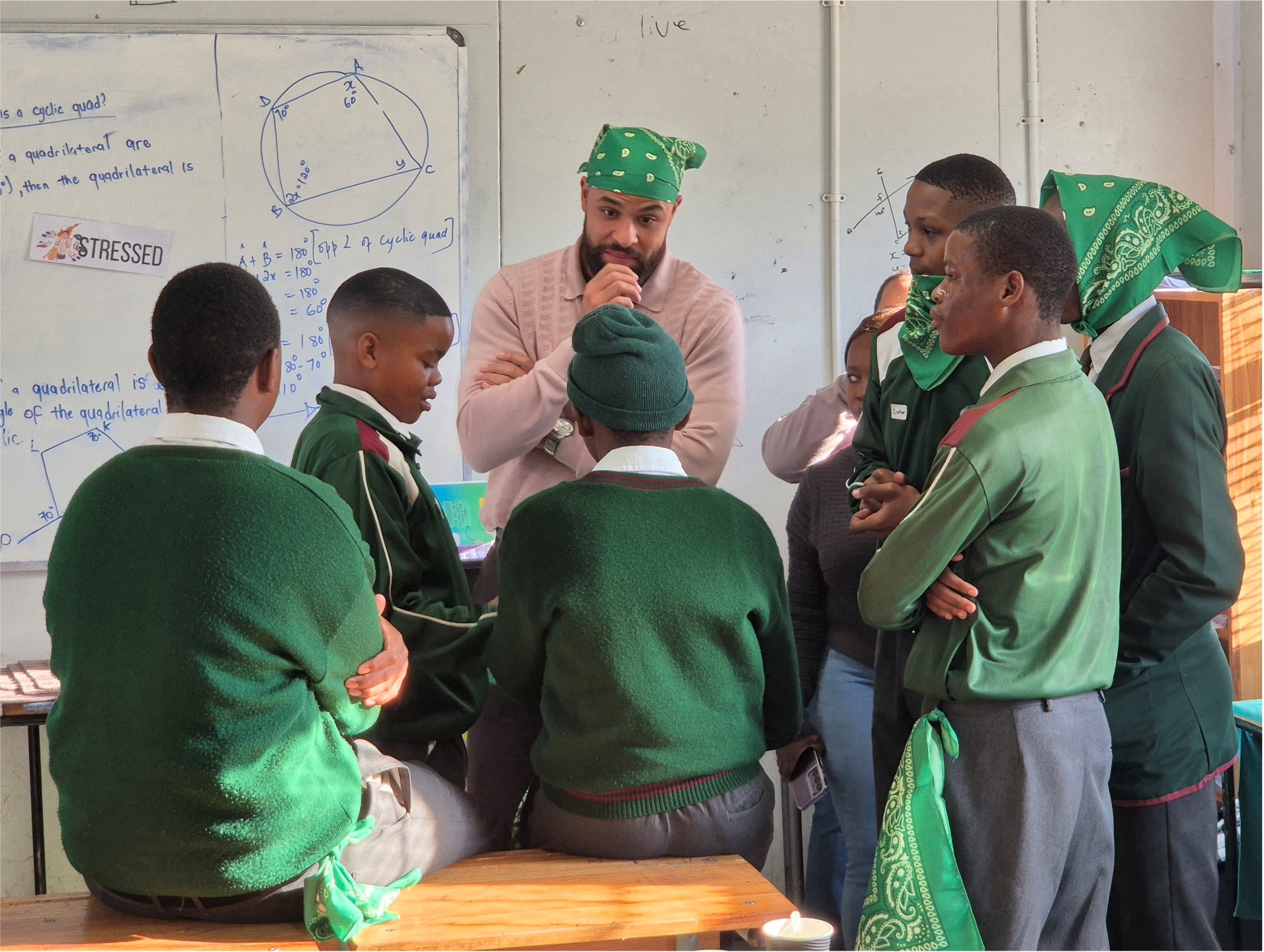
The Culture Shift Classroom Management programme equips teachers and youth leaders with practical tools and strategies to create positive, respectful and well-managed learning environments. Through interactive workshops and activities, participants explore how values, attitudes, relationships and personal responsibility shape behaviour and influence school culture. The programme encourages a shift from simply managing behaviour to building a positive culture where respect, accountability, healthy relationships and a sense of belonging can flourish, creating an environment in which both educators and learners can thrive.
Youth at Risk Interventions
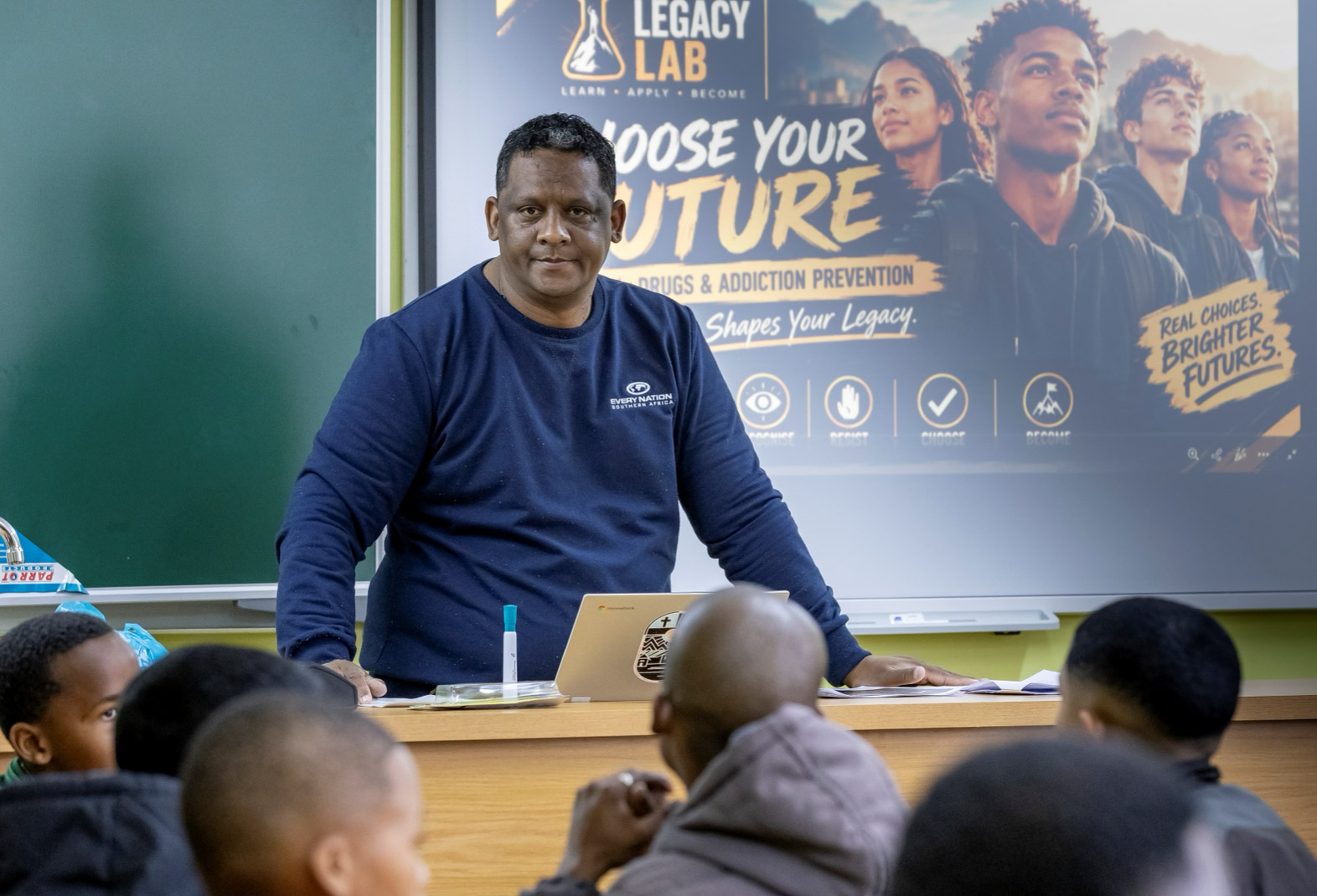
The Youth at Risk interventions focus on raising awareness, preventing substance abuse and other harmful behaviours, and supporting young people who are vulnerable to negative social influences. Through educational initiatives, awareness campaigns, mentorship and community-based activities, learners are encouraged to understand the risks they face, make informed and responsible choices, and discover positive alternatives for their future. By working alongside schools, families and community partners, we aim to strengthen resilience, promote healthy choices and create safer, more supportive environments in which young people can thrive.
Principal Support Hubs
The Principal Support Hubs provide a dedicated space for school principals to connect, share experiences, learn from one another and strengthen their leadership capacity. Through facilitated discussions, peer learning and the sharing of practical strategies and best practices, principals are encouraged to reflect on their leadership journeys, explore common challenges and find solutions together. These gatherings foster a supportive network of school leaders who can draw on one another’s experience, build confidence and gain fresh perspectives to lead their schools more effectively. The focus is on the principals themselves as leaders, equipping them with leadership skills and helping them to lead from their strengths.
Parent Support Interventions
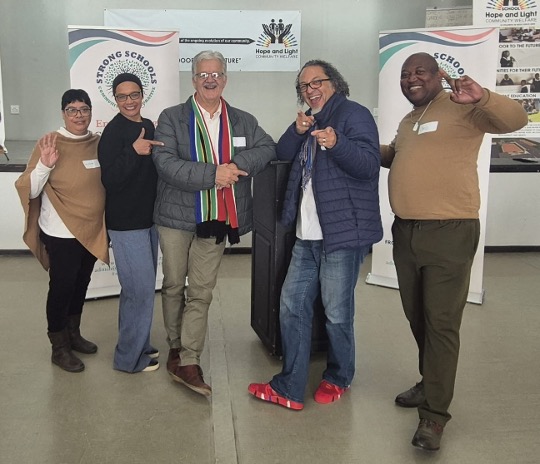
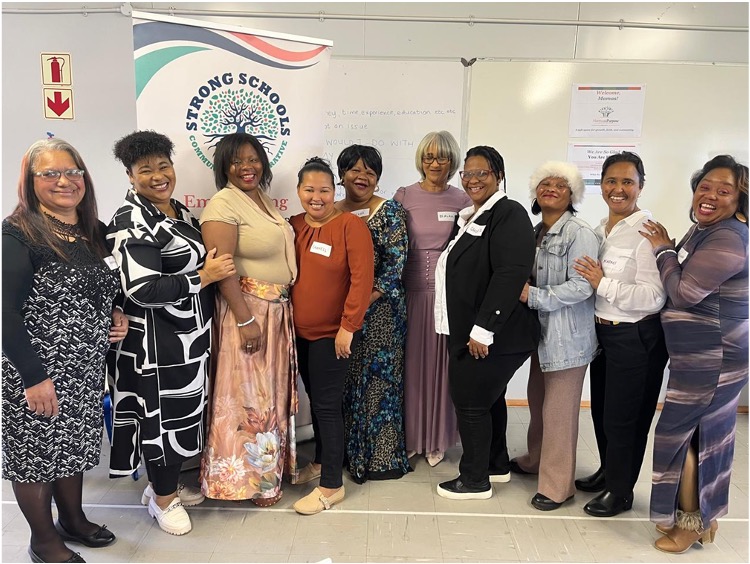
The Moms with Purpose and Legacy Dad programmes focus on strengthening and supporting parents in their important role in the lives of their children and families. Through facilitated group sessions, meaningful conversations and shared learning, mothers and fathers are equipped with practical life skills, personal development tools and parenting knowledge to navigate the challenges of raising children and positively influence their families and communities. The programmes encourage personal growth, build confidence and emotional resilience, and develop leadership and parenting skills, creating supportive spaces where parents can connect, learn from one another and be empowered to raise thriving children and build stronger households.